Best probiotics for cats in 2026: strains, CFU and diarrhea picks
By Vincent Couey, Petmaxxing founder. Checked against the Petmaxxing source-citation framework (AVMA, Cornell Feline Health Center, JVIM). Updated .
- Who this is for: owners of cats with diarrhea, antibiotic-related gut upset, chronic GI sensitivity, or stress-related digestive flares.
- What works: a documented feline strain such as Enterococcus faecium SF68, not the biggest CFU number on the shelf.
- How to start: match the strain to the goal, follow label storage, and give chronic cases two to four weeks before judging.
With cat probiotics, the strain on the label matters far more than the CFU count. A small dose of a stable, studied strain routinely beats a huge dose of a fragile one that dies in the bottle. This guide ranks feline probiotics by what the strain actually does, not by marketing. Check whether a probiotic clashes with your cat's other supplements using our interaction checker, and see the canine version at best probiotics for dogs.
Petmaxxing tests pet supplements independently. Some links are affiliate links and we may earn a commission at no extra cost to you. Always consult your veterinarian before starting any new supplement protocol.
What is a cat probiotic, and when does a cat need one?
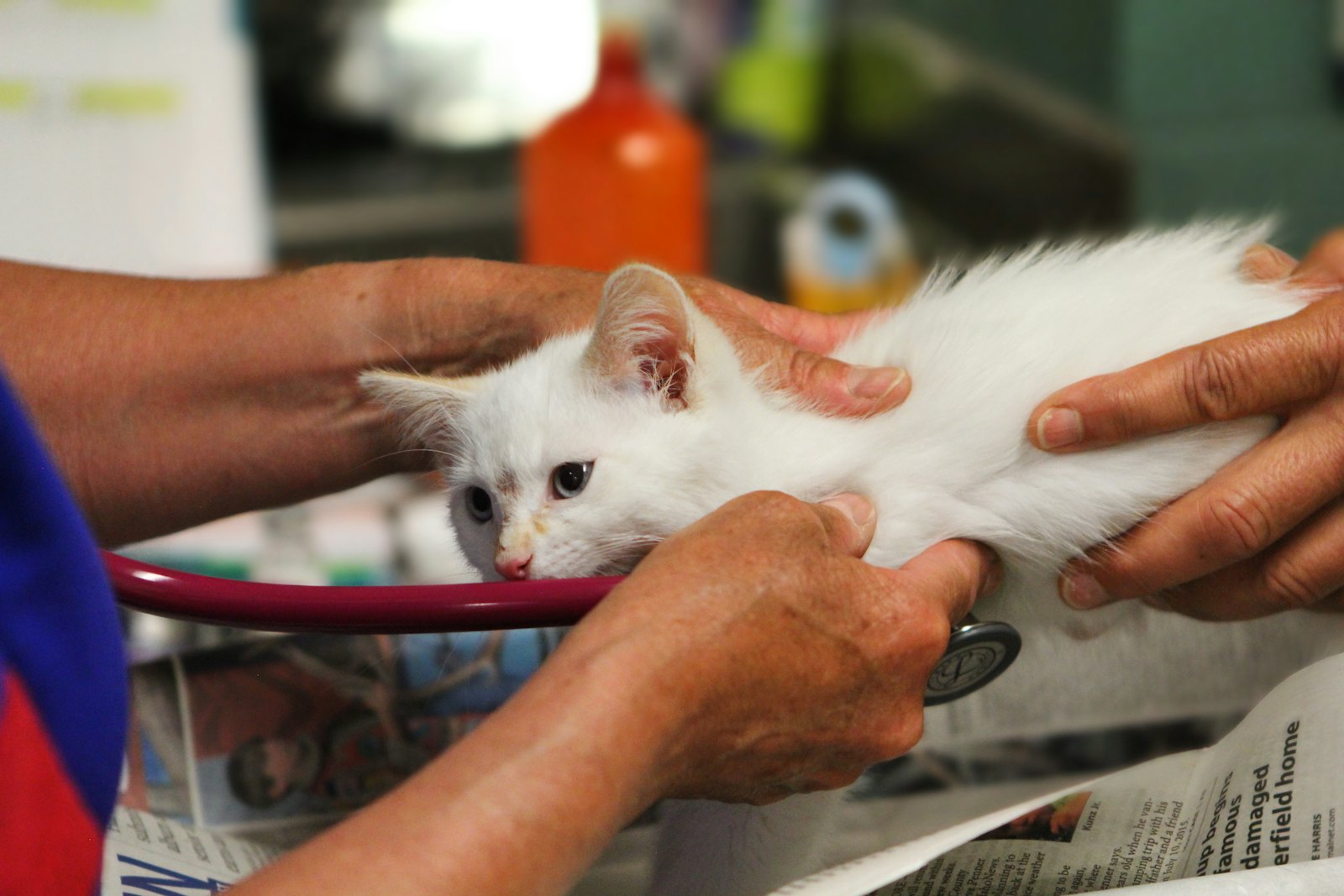
A probiotic is a dose of live beneficial bacteria intended to support the gut microbiome, the community of microbes that helps a cat digest food and regulate immune signaling. Cats do not need one routinely, but several situations make a probiotic genuinely useful: acute diarrhea, recovery from antibiotics, chronic intermittent GI upset, dietary transitions, and stress-driven flares. The AVMA overview of probiotics and prebiotics frames them as targeted support, not a daily requirement.
Which feline probiotic strains have real evidence?
A probiotic strain is a specific, named sub-type of a bacterial species, and its evidence does not transfer to other strains. Only a handful have meaningful feline data. The matrix below shows what each studied strain does and how it should be stored.
| Strain | Best for | Feline evidence | Shelf-stable? |
|---|---|---|---|
| Enterococcus faecium SF68 | Diarrhea, appetite | Strong | Yes (encapsulated) |
| Bifidobacterium longum BL999 | Stress, anxiety-linked GI | Emerging | Yes |
| Multi-strain Lactobacillus / Bifidobacterium | General gut balance | Moderate | Often needs cool storage |
| Kaolin-pectin + probiotic paste | Acute loose stool | Moderate | Yes |
The standout is Enterococcus faecium SF68, which a controlled trial published in the Journal of Veterinary Internal Medicine found reduced the proportion of cats with diarrhea versus placebo. Bifidobacterium longum BL999 is the strain behind calming-focused products, where the gut-brain link is the mechanism rather than digestion alone.
How many CFU does a cat actually need?
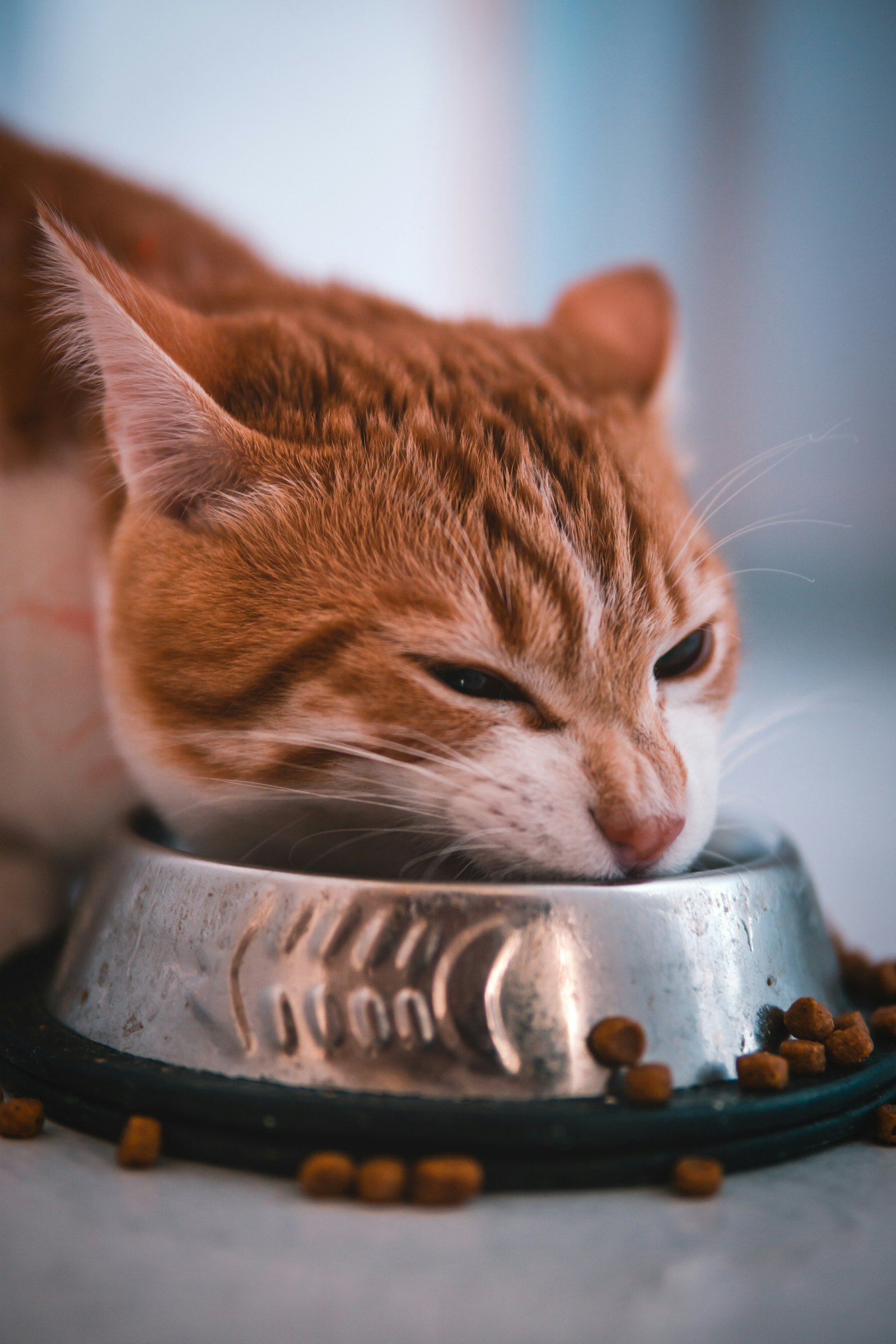
CFU, or colony-forming units, is the count of live organisms per dose, and bigger is not automatically better. FortiFlora is guaranteed at 100 million (108) CFU per gramverified 2026-05-29 and still outperforms many higher-count products, because SF68 is stabilized to survive storage and stomach acid. A fragile strain labeled at 20 billion CFU may deliver almost nothing to the intestine if it dies on the shelf. For a cat with diagnosed IBD, a vet may instead prescribe a high-potency therapeutic product rather than an over-the-counter one.
The practical rule is to prioritize a named, stabilized strain with feline data over a raw CFU figure. For clinical conditions a vet may select a high-potency multi-strain product, but for most cats the studied lower-count options are the smarter buy. Cross-reference how human strain selection follows the same logic in Health Britannica's human probiotics breakdown.
What are the best cat probiotics in 2026?
Each pick leads with a documented strain for a specific job, scored on evidence, purity, value and palatability. No placements are sponsored.
1. Purina Pro Plan FortiFlora Feline (best for diarrhea)
The most-studied feline probiotic, built on Enterococcus faecium SF68 in a liver-flavored powder cats readily eat. One packet per day mixed into food, with a useful appetite-stimulant effect that helps sick or inappetent cats. Cost per day around $1.03verified 2026-05-29. Check current price →
2. Purina Pro Plan Calming Care Feline (best for stress GI)
Built on Bifidobacterium longum BL999 for cats whose digestive flares track with stress, travel or household change. The mechanism is the gut-brain axis rather than acute diarrhea, so it is a daily, longer-horizon product. Check current price →
3. Nutramax Proviable-DC for Cats (best for acute loose stool)
A multi-strain capsule, often paired with a kaolin-pectin paste for immediate firming during a flare. Good for owners who want both a fast-acting paste and a multi-strain capsule from a respected maker. Check current price →
4. VetriScience Vetri Mega Probiotic (best value multi-strain)
A high-count multi-strain capsule at a low cost per day for owners managing chronic, ongoing gut sensitivity. Follow storage directions carefully, since live multi-strain potency depends on it. Check current price →
| Product | Strain | Price | Cost/Day | Score |
|---|---|---|---|---|
| FortiFlora Feline | E. faecium SF68 | $30.99/30ct | $1.03 | 9.2 |
| Calming Care Feline | B. longum BL999 | $36.99/30ct | $1.23 | 8.6 |
| Proviable-DC for Cats | Multi-strain | $27.49/30ct | $0.92 | 8.4 |
| Vetri Mega Probiotic | Multi-strain | $24.99/120ct | $0.21 | 8.0 |
How fast should a cat probiotic work?
Onset depends on the goal: acute diarrhea responds fastest, while chronic and behavioral effects need patience. Use this timeline to decide when to escalate to your vet rather than wait.
- Day 1-3: acute diarrhea often firms up, especially with FortiFlora or a kaolin-pectin paste.
- Week 1-2: appetite and stool consistency stabilize in many recovering cats.
- Week 2-4: the judging window for chronic or intermittent GI cases.
- Week 6: calming and behavioral effects of BL999 products typically measurable.
- No change by week 4-8: the probiotic is not addressing the cause; ask your vet to reassess.
Stacking a probiotic with other supplements?
Check timing and interactions before you combine a probiotic with omega-3, joint or prescription products.
Run the interaction checker →How do probiotics, prebiotics and synbiotics differ for cats?
A probiotic is a dose of live beneficial bacteria, while a prebiotic is the fiber that feeds them, and a synbiotic combines both in one product. The distinction matters when you read labels, because a product marketed as "gut support" may be a prebiotic fiber with no live organisms at all. For a cat recovering from antibiotics or an acute upset, the live probiotic is usually what you want; for long-term maintenance, a synbiotic can help the added strains establish.
Prebiotic fibers such as FOS and MOS appear in many feline gut products and in some therapeutic diets. They are gentle and safe, but on their own they are a slower, subtler tool than a live strain with diarrhea data. The WSAVA global nutrition guidelines stress reading the guaranteed analysis and contacting the manufacturer when a label is vague, advice that applies directly to the murky world of pet gut products.
One practical caution: probiotics and antibiotics work against each other if given at the same moment, since the antibiotic kills the very bacteria the probiotic adds. The usual approach is to separate them by a couple of hours and to continue the probiotic for a week or two after the antibiotic course ends, while the gut microbiome recovers. Always confirm timing with the prescribing veterinarian, especially for a cat on multiple medications, and screen combinations with our interaction checker.
Free cat gut-health and interaction reference
A printable strain-by-job chart plus a supplement interaction quick-reference for cats.
How many CFU does a cat actually need?
Can I give my cat human probiotics?
How long does it take a probiotic to help a cat?
Do cat probiotics need refrigeration?
Can cats take probiotics long term?
What do cat probiotics cost, and which cats should skip them?
Cost-per-day is the honest way to compare cat probiotics, because pack sizes vary widely. FortiFlora runs about $1.03 a day, Calming Care near $1.23, Proviable around $0.92, and the multi-strain Vetri Mega capsule as little as $0.21. For a short course during a flare, even the priciest is trivial; for daily lifelong use, the multi-strain value option or a vet-recommended diet with built-in probiotics may make more budget sense.
Plenty of cats should not be on a daily probiotic at all. A healthy cat with normal stool on a complete diet gains little from routine supplementation, and the gut flora it already has is doing its job. Spending on a daily probiotic for a cat with no GI signs is the feline equivalent of buying insurance against a risk that is not there. Save the product for an actual indication: a flare, an antibiotic course, a diet transition, or chronic sensitivity.
The anti-recommendation that matters most: a probiotic is not a substitute for diagnosing why a cat has diarrhea. Owners sometimes cycle through three or four products while an underlying parasite, food intolerance or early organ disease goes unaddressed. If a probiotic has not helped within the windows above, the next step is a veterinary workup, not another bottle. That discipline saves both money and, occasionally, the cat. Compare any prescription GI medication costs through our colleagues at RxGrab.
Bottom line
The best cat probiotic is the one whose strain matches your cat's problem. For diarrhea and appetite, FortiFlora's Enterococcus faecium SF68 has the strongest data; for stress-linked gut upset, a BL999 calming product fits better; for chronic management, a multi-strain capsule offers value. Read the strain, not the CFU headline, follow storage rules, and bring any persistent diarrhea to your vet rather than self-treating.
- AVMA, Probiotics and prebiotics. verified 2026-05-29 return
- Journal of Veterinary Internal Medicine, feline E. faecium SF68 diarrhea trial. verified 2026-05-29
- Cornell Feline Health Center. verified 2026-05-29