Best supplements for senior cats in 2026: a kidney-aware guide
By Vincent Couey, Petmaxxing founder. Checked against the Petmaxxing source-citation framework (AVMA, VCA, Cornell Feline Health Center, peer-reviewed literature). Updated .
- Who this is for: owners of cats eleven and older, especially cats slowing down, losing weight, or recently diagnosed with kidney disease.
- What works: a weight-dosed omega-3, a joint product, and gut or kidney support matched to the cat, not a shotgun multivitamin.
- The key caution: kidney disease changes which supplements are safe, so renal-relevant products need veterinary sign-off.
The senior years are where targeted supplementation finally earns its place in a cat's life. Absorption declines, arthritis is near-universal by the teens, and CKD is one of the most common diagnoses in older cats. The right plan is a short list of single-purpose products matched to your cat's actual issues. Build that list with our health stack builder, and see the canine version at best supplements for senior dogs.
Petmaxxing tests pet supplements independently. Some links are affiliate links and we may earn a commission at no extra cost to you. Always consult your veterinarian before starting any new supplement protocol.
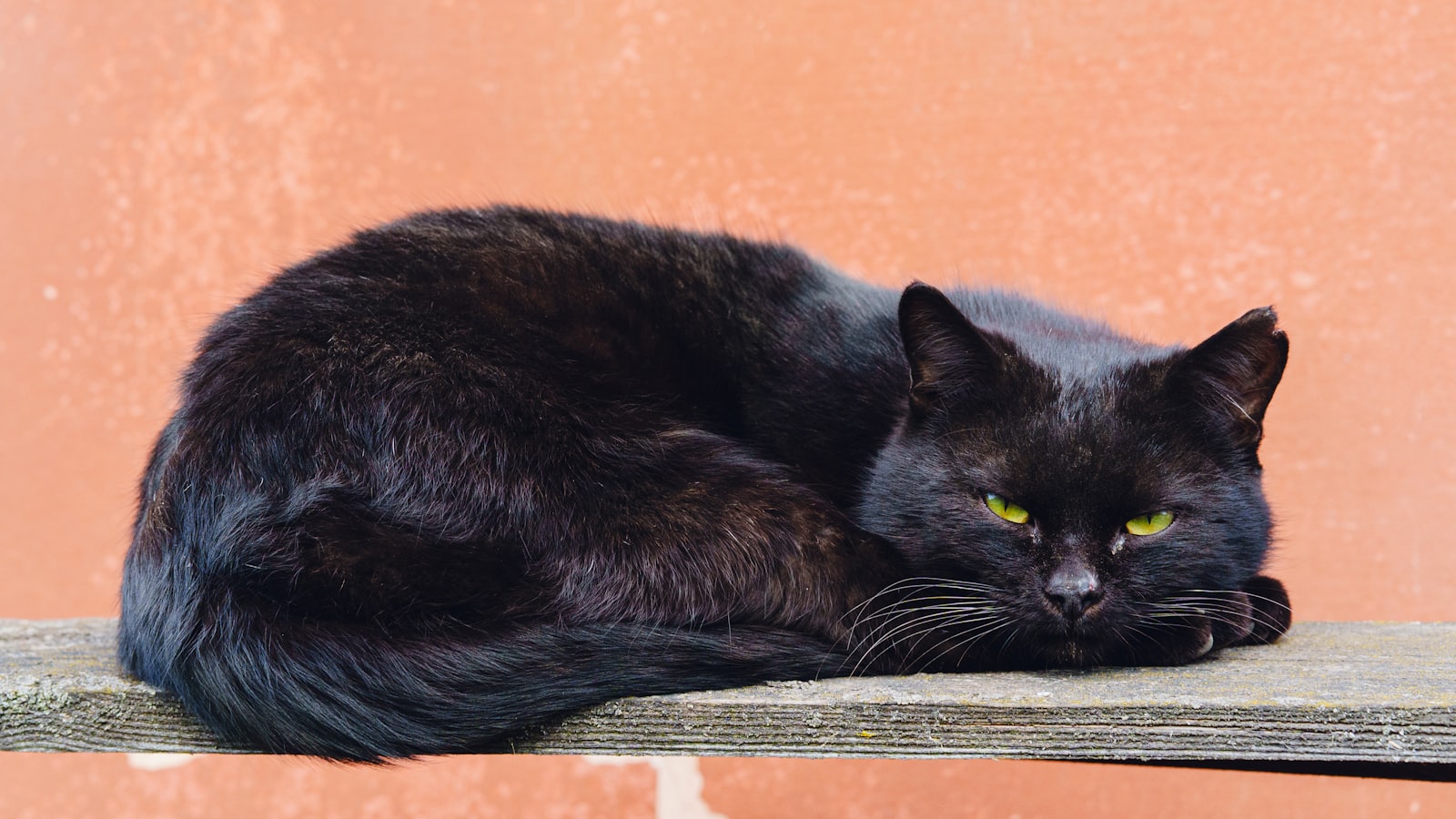
When is a cat actually senior?
A senior cat is one in the life stage where age-related organ and joint changes begin to outpace what diet alone can offset, which veterinarians generally place from about eleven years. The AAFP and AAHA feline life-stage guidelines divide older cats into mature (7 to 10), senior (11 to 14) and geriatric (15+), and the priorities shift at each step. Mature cats benefit from preventive joint and omega-3 support, while senior and geriatric cats often add kidney and appetite support.
Which supplements matter most for an older cat?
A senior cat supplement priority is the order in which categories pay off as a cat ages, and it is short by design. Four categories carry the evidence, and the persona cards below match each to the cat most likely to benefit.
Omega-3s lead because EPA and DHA support joints, skin, coat and kidney function at once, the same broad benefit our colleagues document for human healthy-aging at Health Britannica. Joint support is next because the Cornell Feline Health Center notes how common and under-treated feline arthritis is. A probiotic earns a place when appetite or stool is unstable.
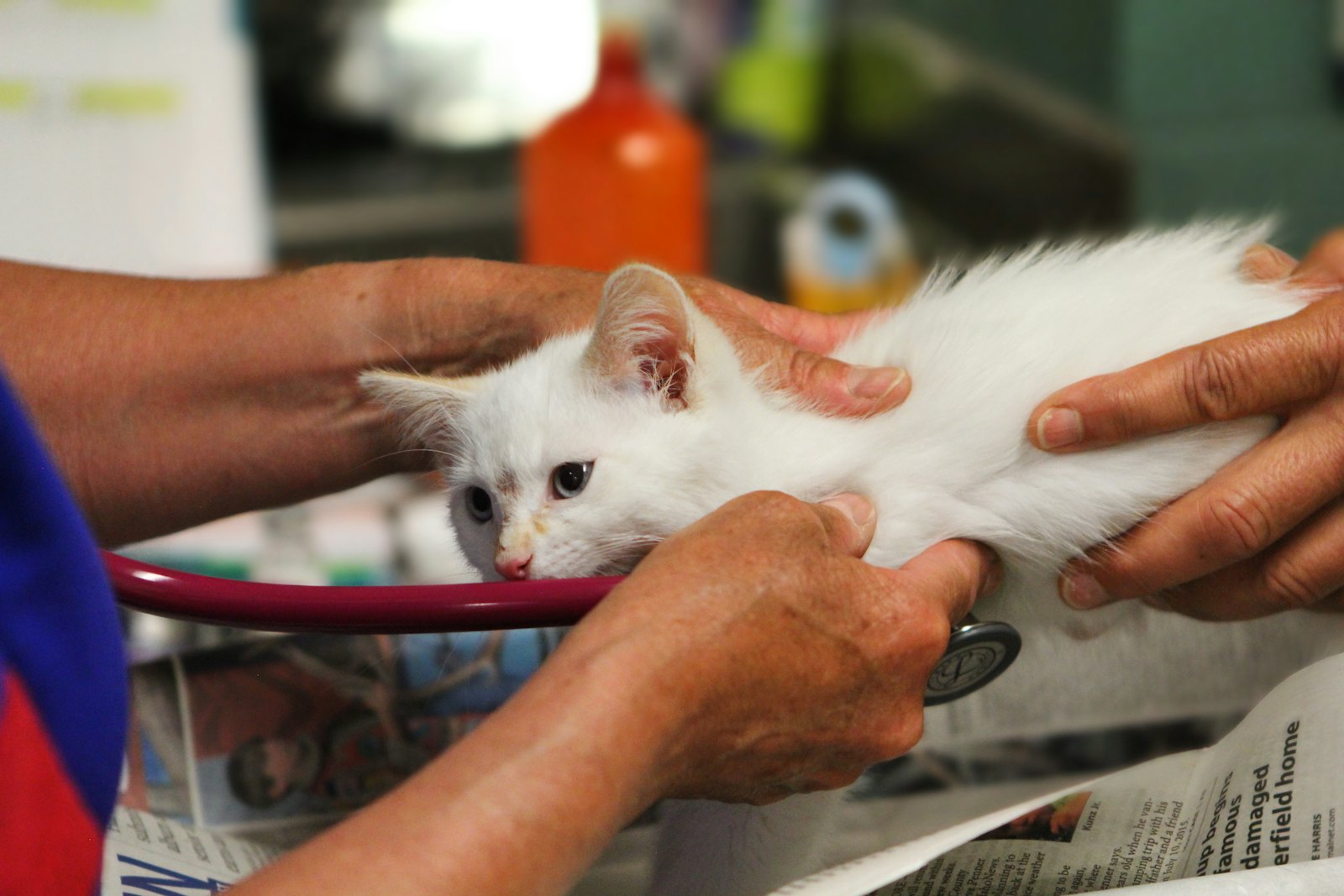
How does kidney disease change the supplement plan?
Chronic kidney disease is a progressive loss of the kidneys' ability to filter waste and balance minerals, and it is one of the most common conditions in senior cats. It changes the supplement plan because phosphorus management becomes central, and some otherwise-safe additions can be harmful. The International Renal Interest Society staging system is what vets use to guide treatment, and renal supplement choices follow the stage.
Two additions have the best support in CKD cats, both vet-directed: omega-3 fish oil, which may slow decline, and phosphate binders or renal-support blends that control phosphorus. A feline probiotic such as FortiFlora is also widely used in CKD cats as an appetite stimulant and to firm stool, a use noted in the veterinary internal medicine literature.
What does a sensible senior cat stack look like?
A senior cat stack is a small, deliberate set of single-purpose products chosen for one cat's issues, not a pile of overlapping multivitamins. Here is a realistic starting stack for a typical slowing-down senior with healthy kidneys; a CKD cat swaps in vet-directed renal support.
- Nordic Naturals Omega-3 Pet ($22.95/2oz, ~$0.25/day) joint, skin and kidney support base layer. Check current price →
- Nutramax Cosequin for Cats ($24.99/80ct, ~$0.31/day) glucosamine and chondroitin for the arthritis most teens carry. Check current price →
- FortiFlora Feline (as needed) appetite and stool support during off weeks. Check current price →
For a diagnosed-CKD cat, replace the as-needed probiotic with a vet-directed renal blend such as VetriScience Renal Essentials and keep total phosphorus within the vet's target.
How do you dose supplements for an older cat?
Senior cat dosing is still body-weight-based, but older cats are often underweight, so recalculate to current weight rather than a remembered number. The ranges below reflect common label directions; confirm with your vet and our dosage calculator.
| Supplement | Typical range | 9 lb senior/day | Key caution |
|---|---|---|---|
| Omega-3 (EPA+DHA) | 20 to 30 mg/lb | ~180 to 270 mg | Refrigerate, watch for loose stool |
| Glucosamine | ~50 mg/lb loading | ~450 mg loading | Allow 4 to 6 weeks |
| Probiotic | Per packet | 1 packet | Appetite aid in CKD cats |
| Renal support | Vet-directed | vet-directed | Phosphorus must fit the stage |
Build your senior cat's exact stack
Enter age, weight and any diagnosis to get a kidney-aware shortlist instead of a guess.
Build the senior stack →Which senior cat conditions change the supplement math?
A senior cat condition is an age-linked disease that alters which supplements are safe or useful, and four show up often enough to plan around. CKD is the first, where phosphorus control overrides almost everything else. Hyperthyroidism is the second, an overactive thyroid that speeds metabolism and causes weight loss despite a big appetite; it is managed medically, and supplements play only a supporting role around appetite and coat.
Feline diabetes mellitus is the third, where the priority is a vet-directed diet and insulin rather than nutraceuticals, though omega-3 EPA and DHA remain a reasonable general add-on, and a phosphate binder may be prescribed for kidney cases. The fourth is cognitive dysfunction syndrome, where some evidence supports omega-3s and antioxidant support for the aging feline brain. Across all four, the rule is identical: the diagnosis drives the plan, and the Cornell Feline Health Center resources are a reliable owner-level reference for each.
This is why twice-yearly bloodwork matters more than any supplement in the senior years. A CBC and chemistry panel catch CKD, thyroid disease and diabetes before symptoms force the issue, and the results tell you which supplements are now safe and which are off the table. A cat that looks fine can have early kidney disease that a phosphorus-heavy supplement would worsen, so screening is the gate that keeps the supplement plan honest. Owners can also offset some senior care costs by sourcing prescriptions smartly, as our colleagues cover at RxGrab.
Free senior cat supplement and screening checklist
A printable weight-based stack template plus the twice-yearly senior screening checklist to bring to your vet.
When is a cat considered senior?
What supplements help a senior cat with kidney disease?
Can senior cats take joint supplements safely?
Is fish oil good for older cats?
Do senior cats need a multivitamin?
What does a senior cat supplement plan cost, and where should you not overspend?
A sensible senior cat plan costs less than owners fear. The starter stack of a weight-dosed omega-3 plus a glucosamine product runs about $0.56 a day, or roughly $200 a year, with an occasional probiotic adding only during off weeks. A vet-directed renal blend for a CKD cat adds more but replaces, rather than stacks on top of, discretionary products. The mistake is not the spend on these targeted items; it is the spend on everything else.
Where senior cat owners overspend is on broad-spectrum "senior multivitamins," organ-specific cocktails with no diagnosis behind them, and trendy single ingredients with thin feline evidence. A cat with healthy kidneys does not need a renal supplement, and a cat eating a complete senior diet does not need a multivitamin layered on top. Money spent there is money not spent on the twice-yearly bloodwork that actually changes outcomes in the senior years.
The anti-recommendation: never let supplements substitute for senior screening. The conditions that shorten a senior cat's life, kidney disease, hyperthyroidism, diabetes and cancer, are caught by exams and bloodwork, not by anything in a supplement bottle. Spend first on the vet visit, let the results dictate the supplements, and keep the plan short. Owners managing senior care costs can compare prescription prices through RxGrab.
Bottom line
For a senior cat, less is more: a weight-dosed omega-3 for almost every older cat, a glucosamine-chondroitin product for the arthritis most teens carry, and gut or kidney support matched to the individual. Recalculate doses to current weight, give joint products four to six weeks, and treat any kidney diagnosis as a reason to let the vet drive the supplement plan. Twice-yearly bloodwork catches the silent senior conditions that no supplement can.
- AAFP / AAHA Feline Life Stage Guidelines. verified 2026-05-29 return
- International Renal Interest Society, CKD staging. verified 2026-05-29
- Cornell Feline Health Center. verified 2026-05-29
- AVMA, Arthritis in pets. verified 2026-05-29